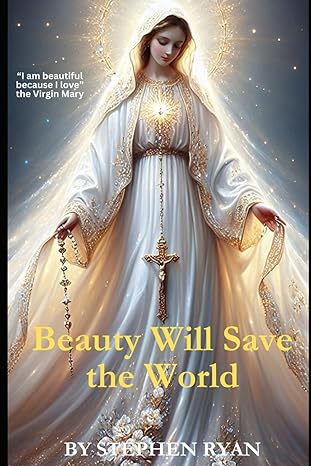
The Thin Veil: How the Virgin Mary’s Apparitions and Weeping Statues Blur the Lines Between Worlds
In the quiet moments of human existence—amid the hum of daily life or the silence of a darkened church—many have sensed it: a gossamer curtain separating the tangible from the transcendent. This “thin veil” between the physical and supernatural worlds has captivated philosophers, scientists, and theologians for centuries. From ancient Celtic notions of “thin places” where heaven brushes earth, to modern quantum theories suggesting parallel realities, the idea persists that our material realm is not as solid as it seems. Yet, for millions of Catholics worldwide, this boundary finds its most poignant expression through the Blessed Virgin Mary. As the Mother of God, Mary serves as a divine bridge, her apparitions and manifestations like weeping statues piercing the veil to deliver messages of hope, warning, and redemption. These events, often scrutinized by the Vatican, remind us that the supernatural isn’t distant—it’s intimately woven into our world, calling us to deeper faith.
Apparitions: Heavenly Visitations in Earthly Guise
Marian apparitions—reported supernatural appearances of the Virgin Mary—stand as vivid testaments to the porous boundary between realms. Since the early Church, these events have occurred across continents, often in times of crisis, blending the ethereal with the everyday. The Church approaches them cautiously, approving only a handful after rigorous investigation, but their impact is undeniable: sparking mass conversions, healings, and societal shifts.
One of the most iconic is Our Lady of Guadalupe in 1531 Mexico. Appearing to indigenous peasant Juan Diego on Tepeyac Hill, Mary left her image imprinted on his tilma—a cloak now housed in Mexico City’s basilica, visited by over 20 million pilgrims annually. The apparition’s message of maternal care bridged cultural divides, leading to the conversion of nine million Aztecs within a decade and reshaping Latin American faith. Here, the supernatural intersected the physical: The tilma’s image, inexplicable by science (no brushstrokes, iridescent colors enduring 500 years), serves as a tangible relic of heaven’s touch.
In 1858 Lourdes, France, Mary appeared 18 times to young Bernadette Soubirous, a poor miller’s daughter. Identifying herself as the “Immaculate Conception,” she directed Bernadette to unearth a spring whose waters have since yielded 70 Vatican-confirmed miraculous healings among thousands reported. The apparitions transformed a remote grotto into a global sanctuary, drawing six million visitors yearly. Mary’s role? As intercessor, she invites humanity to repentance and prayer, her presence a conduit for divine grace amid suffering.

Perhaps the most dramatic veil-thinning occurred at Fatima, Portugal, in 1917. Appearing to three shepherd children—Lúcia dos Santos and siblings Francisco and Jacinta Marto—Mary foretold world events, including the end of World War I and the rise of communism, urging Rosary devotion and penance. Culminating in the “Miracle of the Sun,” witnessed by 70,000 on October 13, the sun appeared to dance, spin, and plunge toward earth before retreating—drying rain-soaked ground and clothing instantly. Skeptics called it mass hallucination, but eyewitness accounts, including from atheists, affirm its reality. Fatima’s prophecies, including the 1981 assassination attempt on Pope John Paul II, underscore Mary’s prophetic bridge: delivering heaven’s warnings to avert earthly calamities.
These apparitions highlight Mary’s unique position in Catholic theology. As the Theotokos (God-bearer), she embodies the incarnation—God entering the physical world. Her appearances often occur to the humble, in ordinary settings, emphasizing that the supernatural irrupts not in grandeur, but in vulnerability, guiding souls toward her Son, Jesus.
Weeping Statues: Sorrow Manifest in Stone
Beyond visions, Mary’s influence pierces the veil through inanimate objects brought to life: weeping statues. These phenomena, where sculptures of the Virgin exude tears, oil, or blood, symbolize her sorrow for humanity’s sins and sufferings—a tangible echo of her biblical “Seven Sorrows.” Reported worldwide, they blur the line between matter and miracle, inviting discernment from the faithful and skeptics alike.
The most Church-approved is the Weeping Madonna of Syracuse, Italy, in 1953. A simple plaster relief in a working-class home shed human tears for four days, drawing crowds and prompting scientific tests. Declared miraculous by local bishops, the event led to the construction of the Sanctuary of Our Lady of Tears, a pilgrimage site fostering devotion and healings.
In Akita, Japan (1973–1981), a wooden statue wept 101 times, its tears analyzed as human and broadcast on national TV. Linked to apparitions warning of global chastisement, the events were deemed “worthy of belief” by Bishop John Shojiro Ito in 1984, inspiring conversions in a largely non-Christian nation.
Recent cases, like the 2018 Hobbs, New Mexico, statue exuding rose-scented olive oil, or the 2023 “crying” figure in Colima, Mexico, continue the pattern. The Vatican, updating norms in 2024, now emphasizes spiritual fruits over outright supernatural declarations, cautioning against hoaxes while acknowledging genuine signs.
Explanations vary: Skeptics cite condensation, fraud (e.g., injecting liquids), or psychological suggestion. Yet, inexplicable cases persist, like blood-typed tears matching rare AB, defying natural laws. For believers, these manifestations affirm Mary’s ongoing maternal care, her tears a call to console her through prayer and conversion.
Mary’s Enduring Bridge: From Sorrow to Salvation
In Catholic tradition, Mary isn’t divine but the perfect human vessel for God’s grace, her fiat (“let it be”) at the Annunciation opening the veil for the Incarnation. Through apparitions and weeping statues, she continues this role, manifesting the supernatural in the physical to draw humanity closer to Christ. As Pope Francis noted in 2024 guidelines, these events foster devotion without sensationalism, urging discernment amid online hoaxes.
The thin veil, then, isn’t a barrier but an invitation. In a secular age, Mary’s interventions remind us: The supernatural whispers through the ordinary, her tears and visions bridging eternity to our fleeting world. Whether in Fatima’s dancing sun or Syracuse’s saline sorrow, she beckons: Look beyond the veil, and find heaven waiting.